How Circular Is Berlin, Really?
From 'Zu Verschenken' Boxes to Building a City That Wastes Less


Overview
⏱️Schedule: Doors 18:30 → Talk 19:00→ Q&A → Mingle
🌐 Language: English
You picked up a shirt from a Zu Verschenken box, grabbed your coffee in a reusable cup, and carefully separated your recycling. Congratulations, you’re already participating in Berlin’s circular economy. Or are you?
Berlin has plenty of practices that feel circular: sharing, repairing, reusing, second-hand culture, reusable packaging. But moving from individual habits to a genuinely circular city requires much more than keeping a coffee cup out of the bin.
In this interactive lecture, Arianna Nicoletti and Ronja Scholz from Circular Berlin will look beyond the city’s eco-friendly image to ask how circular Berlin actually is – and where the biggest gaps remain between what citizens want and what we collectively do.
They’ll explore the difference between a circular economy and a broader circular society, why lasting change involves culture as much as infrastructure, and how citizens, businesses, policymakers, and communities can help turn circularity from a collection of good intentions into everyday urban practice.
Because the question isn’t only what happens to an object after we’re finished with it. It’s also what kind of city we build when reuse, repair, sharing, and resourcefulness become part of its culture.
What we'll cover:
- What the circular economy actually means – and how the idea expands when we start talking about a circular society
- How circular Berlin really is today, and where circular practices are already embedded in the city’s culture
- The gap between what citizens say they want and what they actually do
- Why creating a circular city requires cultural and systemic change, not just better individual consumption choices
- Practical ways to become an active part of circularity in your neighbourhood and community
Speakers
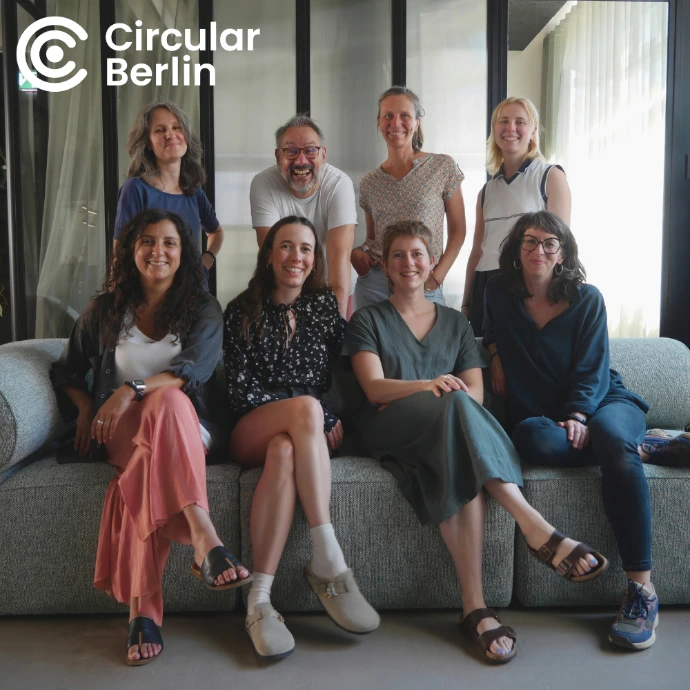
Arianna Nicoletti & Ronja Scholz
Circular Berlin
Arianna Nicoletti and Ronja Scholz represent Circular Berlin, a non-profit organisation working toward a regenerative and resource-resilient city. Circular Berlin connects policy, education, business, and community to help turn circular ideas into everyday practice.
Their work looks beyond individual sustainable choices to the systems and cultures that shape how cities consume, reuse, share, and manage resources – and how Berlin can move from circular ambitions toward meaningful collective change.